
On July 18, 2026, Structure Efficiency welcomed founders, business leaders, professionals, and members of its team to an intimate, invite-only gathering at The Picasso Boutique Serviced Residences in Salcedo Village, Makati.
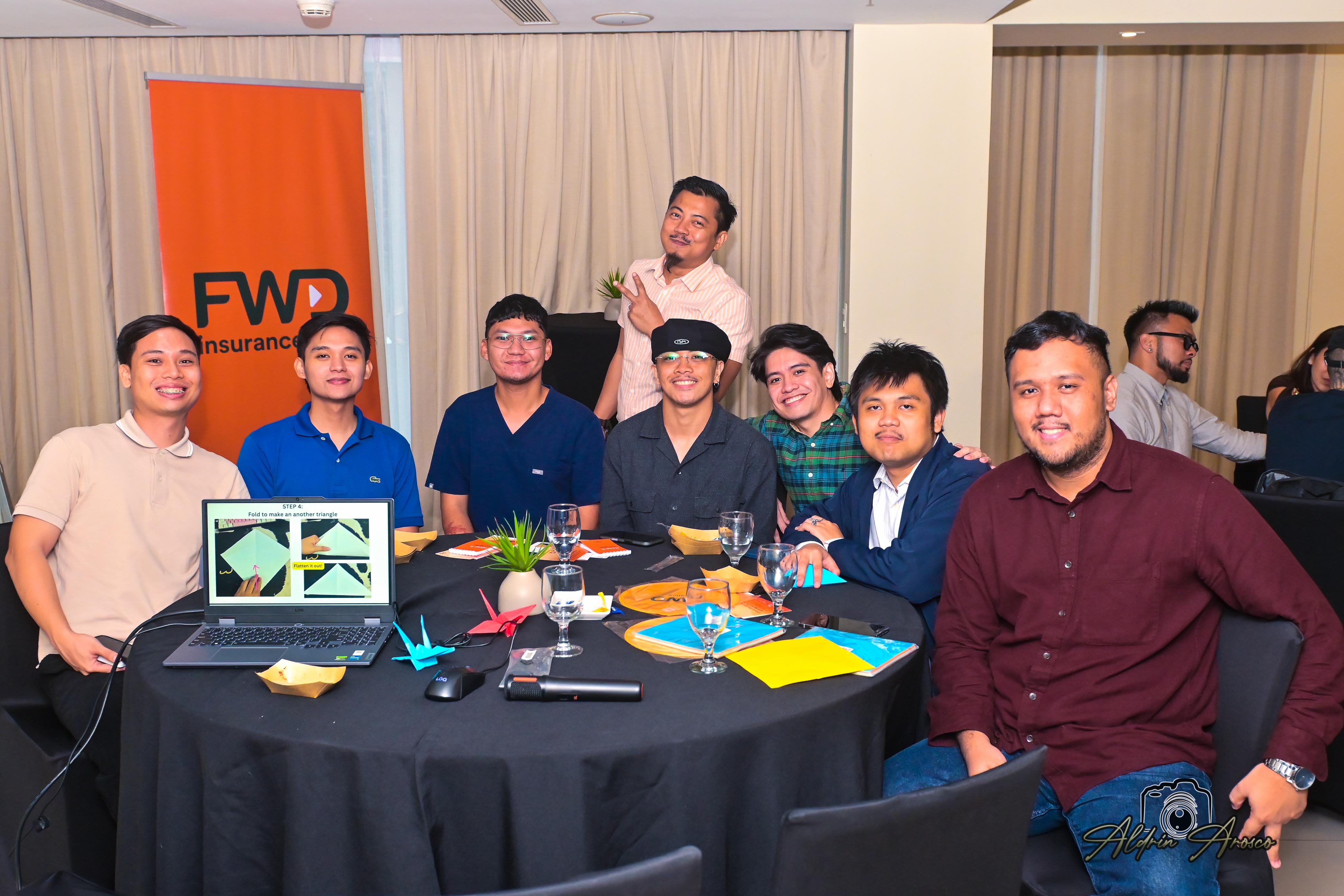
Structure Efficiency session hall brought together people from different industries to introduce their work, exchange professional insights, demonstrate practical solutions, and form new connections.
More than a presentation event, the gathering marked the culmination of a year of learning and development for the Structure Efficiency team. It gave team members the opportunity to apply what they had learned, communicate their strengths, and present projects inspired by real business and operational challenges.
The evening also placed invited attendees at the center of the experience. Each guest brought a different professional perspective, allowing the team and fellow participants to learn from established businesses, emerging platforms, and specialists working across multiple industries.
A Gathering of Professionals and Business Builders
Together, the attendees’ experiences showed the many ways businesses and professional initiatives can begin by recognizing an underserved market, solving a personally experienced problem, strengthening people’s capabilities, or providing clearer support for important life and financial decisions. Presentations alternated between invited guests and members of the Structure Efficiency team, creating an open exchange of ideas, experiences, and practical insights across different fields.
The invited guests introduced the businesses, services, and platforms they were building across property inspection, professional training, remote-work communities, startup development, insurance, and financial planning. Their presentations gave participants a closer look at how professionals identify opportunities, respond to real needs, and turn their knowledge and experience into services that create value for others.
Learning From the Event’s Invited Guests
Mark Ignacio and PHILinspect
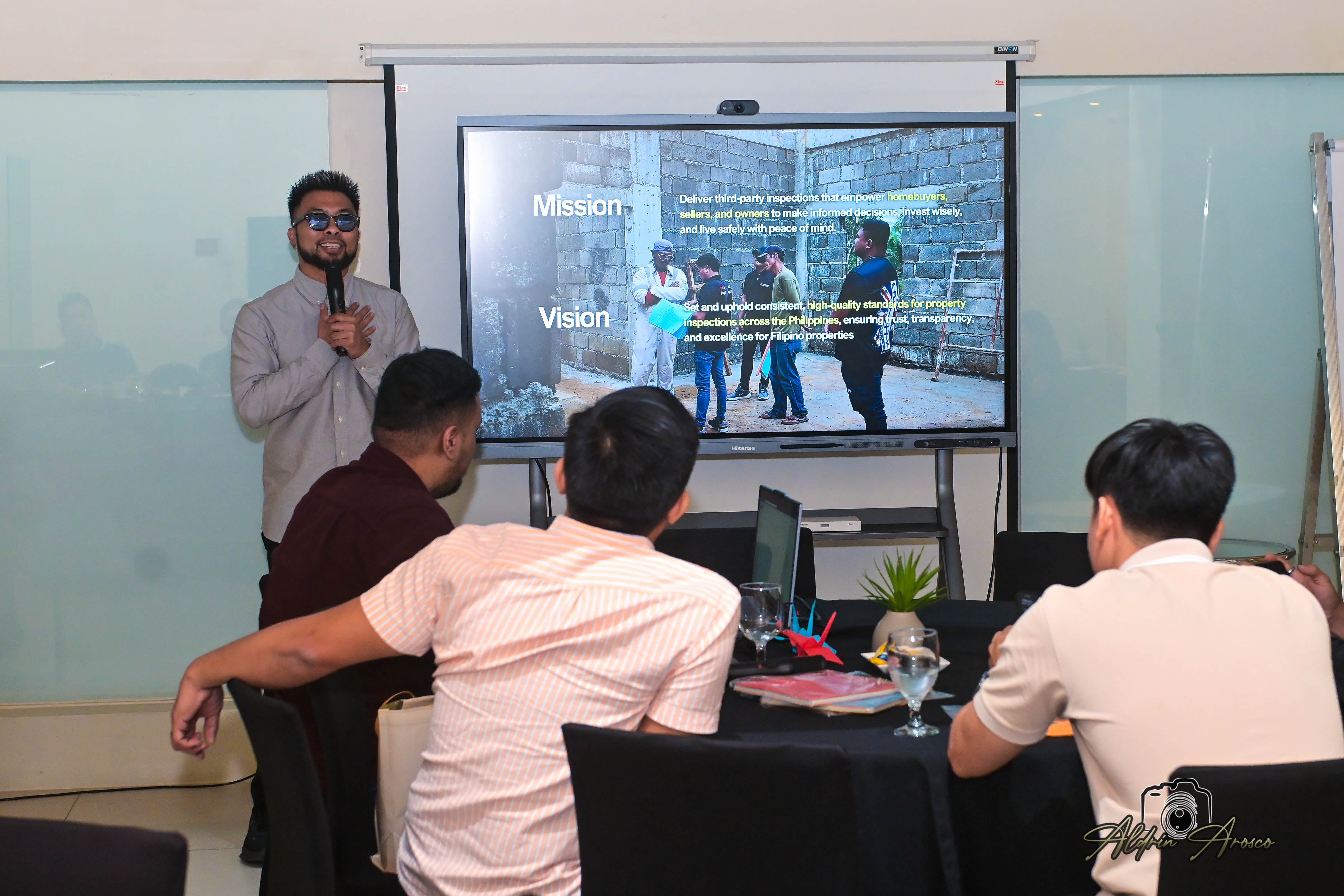
Mark Ignacio, founder and CEO of PHILinspect, introduced the company’s professional property inspection services and the market opportunity that inspired him to establish the business.
Mark explained that property inspection is already a common and established service in other countries, particularly in the United States. In the Philippines, however, dedicated property inspection services remain relatively underdeveloped.
PHILinspect was created to help property buyers, owners, and developers identify construction defects, safety concerns, material failures, and hidden issues before they result in costly repairs or more serious problems.
Its services include construction-phase inspections, condominium inspections, quality-defect inspections, defect-liability inspections, post-repair inspections, and pre-purchase property assessments.
Mark’s presentation demonstrated how identifying a service gap in the local market can become the foundation of a valuable business.
Ivan Burcer and YESBIZCORE
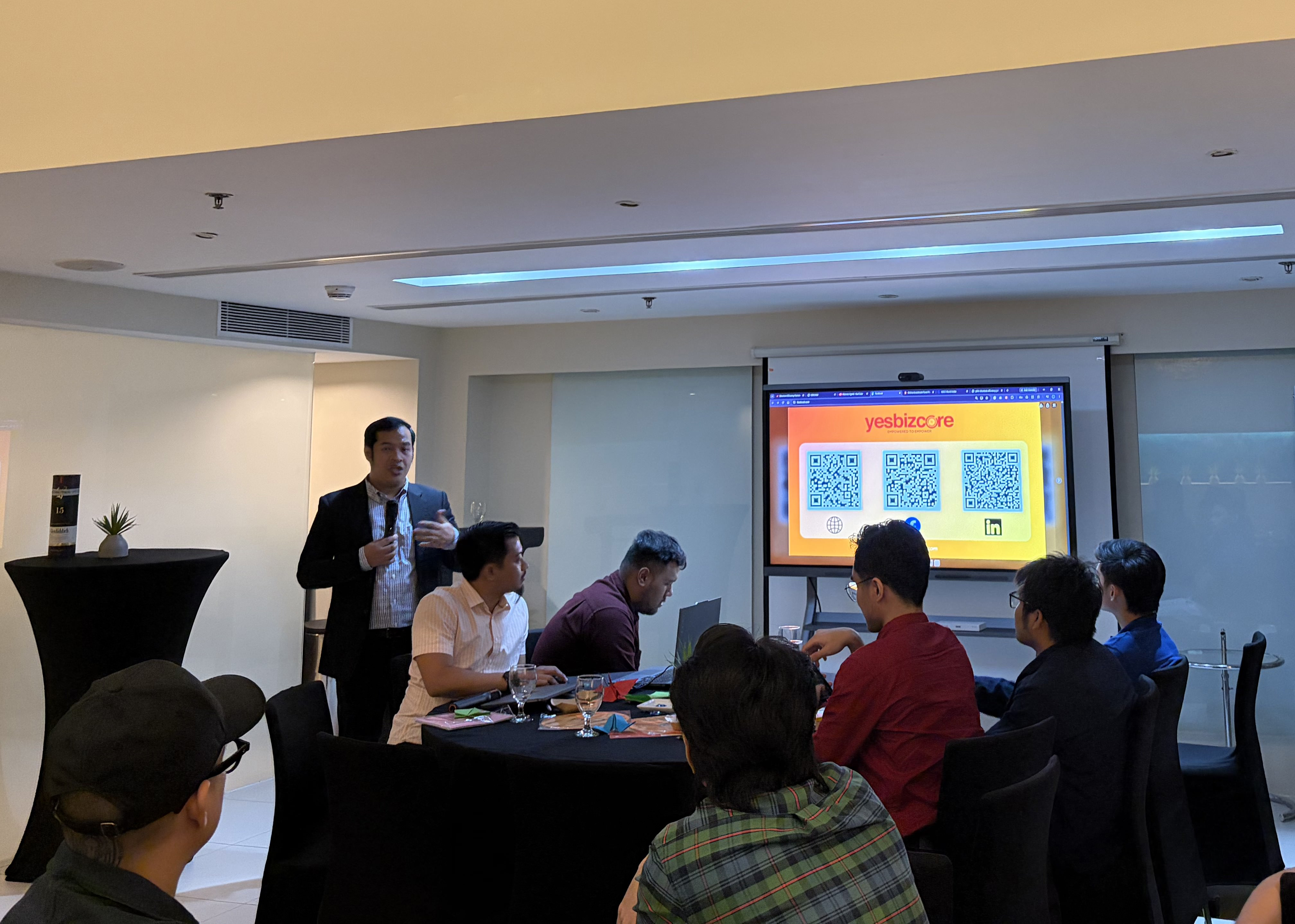
Ivan Burcer, chief content officer of YESBIZCORE Business Center of Resource Empowerment, introduced the organization’s work in training, curriculum development, and organizational improvement.
YESBIZCORE supports professionals and organizations through customized learning programs designed to strengthen competencies, improve workplace performance, and help people respond to changing business environments.
Its approach is built around four areas: empowering people, developing relevant programs, improving processes, and creating professional partnerships.
Ivan’s presentation highlighted the connection between individual development and organizational growth. Effective training does not only provide information; it should help people apply new skills, improve how work is performed, and contribute more effectively to their organizations.
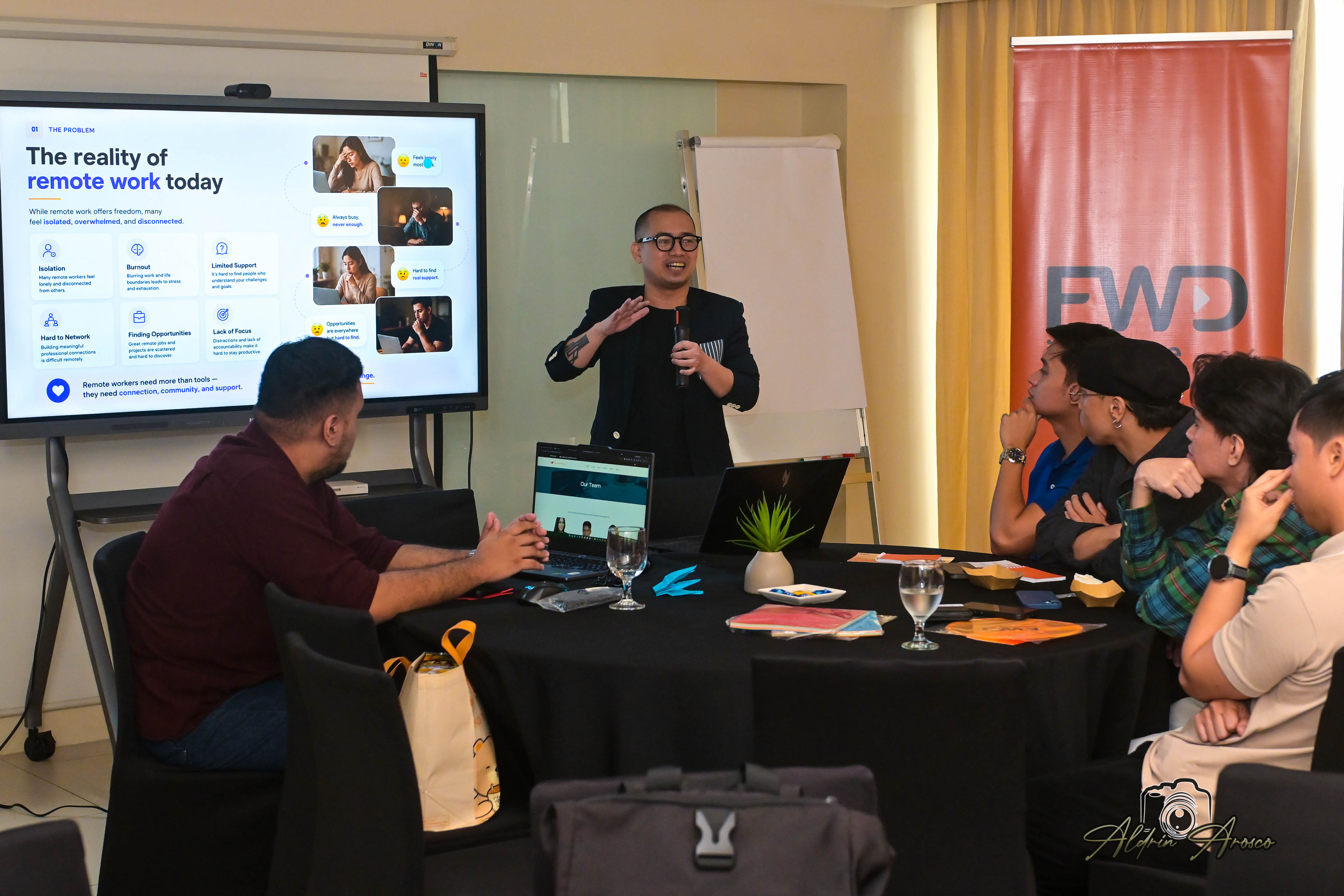
Geloi Dequit and Wounge
Geloi Dequit demonstrated Wounge, a digital community platform designed to make remote work feel less isolating.
The idea came from his own experience of working from home for several years, beginning during the pandemic. While remote work provided convenience and flexibility, he realized that it also reduced opportunities to socialize, meet new people, and feel connected to a wider professional community.
He created Wounge for remote workers, freelancers, virtual assistants, and distributed professionals who may be experiencing the same challenge.
The platform gives users a place to meet other people working from home, participate in conversations, discover opportunities, and feel part of a community without leaving their home workspace.
Geloi’s presentation showed how a personal challenge can become the starting point for a solution that serves a much wider group.
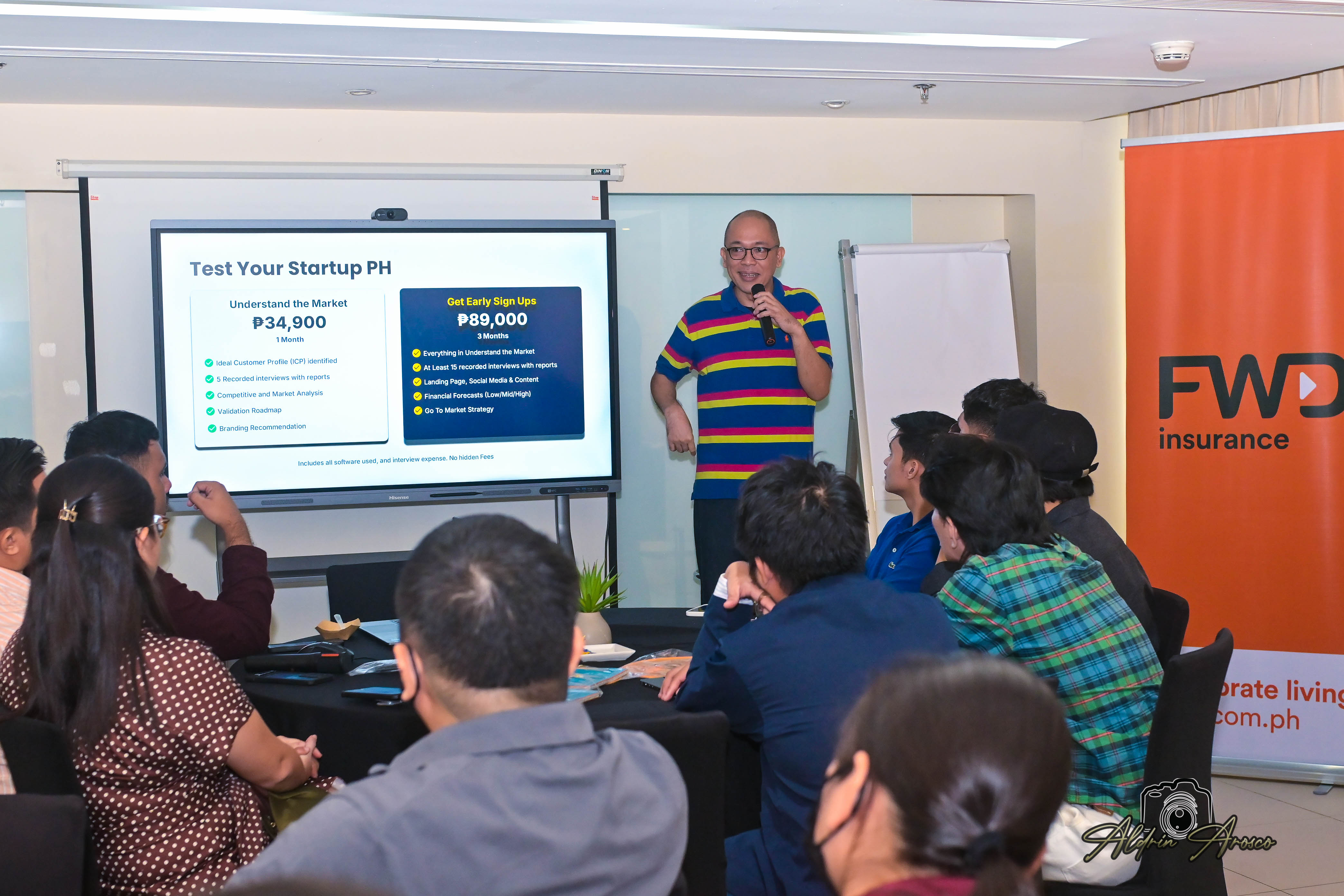
Carlo Valencia and Startup PH Training
Carlo P. Valencia, founder of Startup PH Training, presented “When You Have an Idea,” a session focused on helping founders validate business ideas before fully committing time, money, and resources.
He shared how frameworks such as Design Thinking, Lean Startup, and Agile/Scrum can guide founders in testing ideas, understanding customers, and building with better direction. His presentation also highlighted a common challenge for founders: even when they know what to do, they may not have enough time to do the validation work properly.
To address this, Carlo introduced Test Your Startup PH, an offer that helps founders outsource key validation activities such as market research, customer interviews, persona creation, journey mapping, validation roadmaps, and go-to-market planning.
His presentation emphasized the value of testing ideas early so founders can reduce risk, gain clearer market feedback, and make better business decisions.
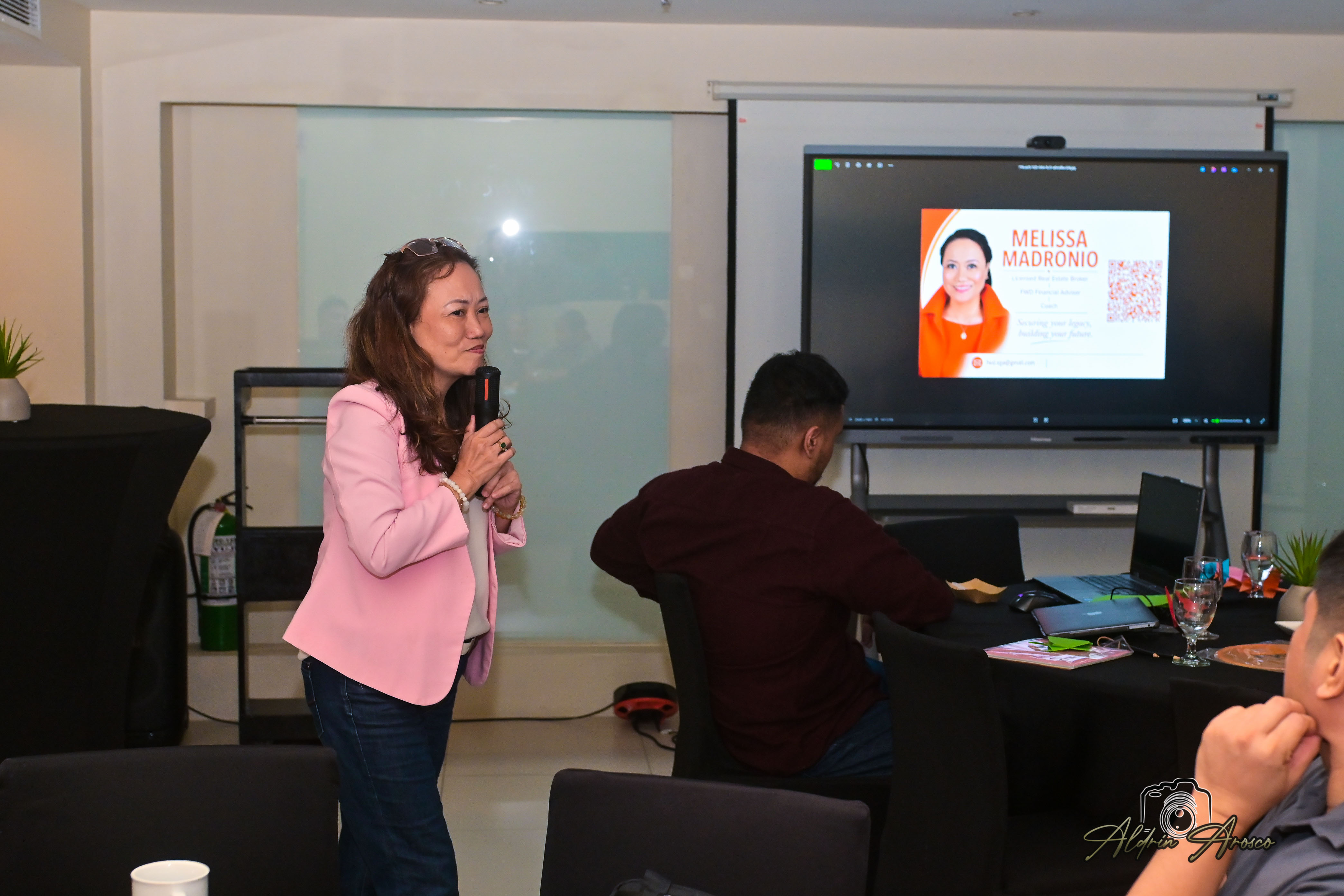
Melissa Madronio and FWD Insurance
Melissa Madronio, a financial wealth planner with FWD Insurance, introduced different insurance plans and explained how their benefits can support personal, family, and long-term financial goals.
Her presentation covered financial protection, wealth planning, insurance, real estate, and property investment.
Melissa emphasized that insurance should be considered as part of a broader financial strategy. Beyond responding to emergencies, the right plan can help protect income, reduce financial risk, and support future goals.
Her presentation added a personal financial perspective to the evening and encouraged attendees to think more carefully about how protection and long-term planning work together.
Putting a Year of Learning Into Practice
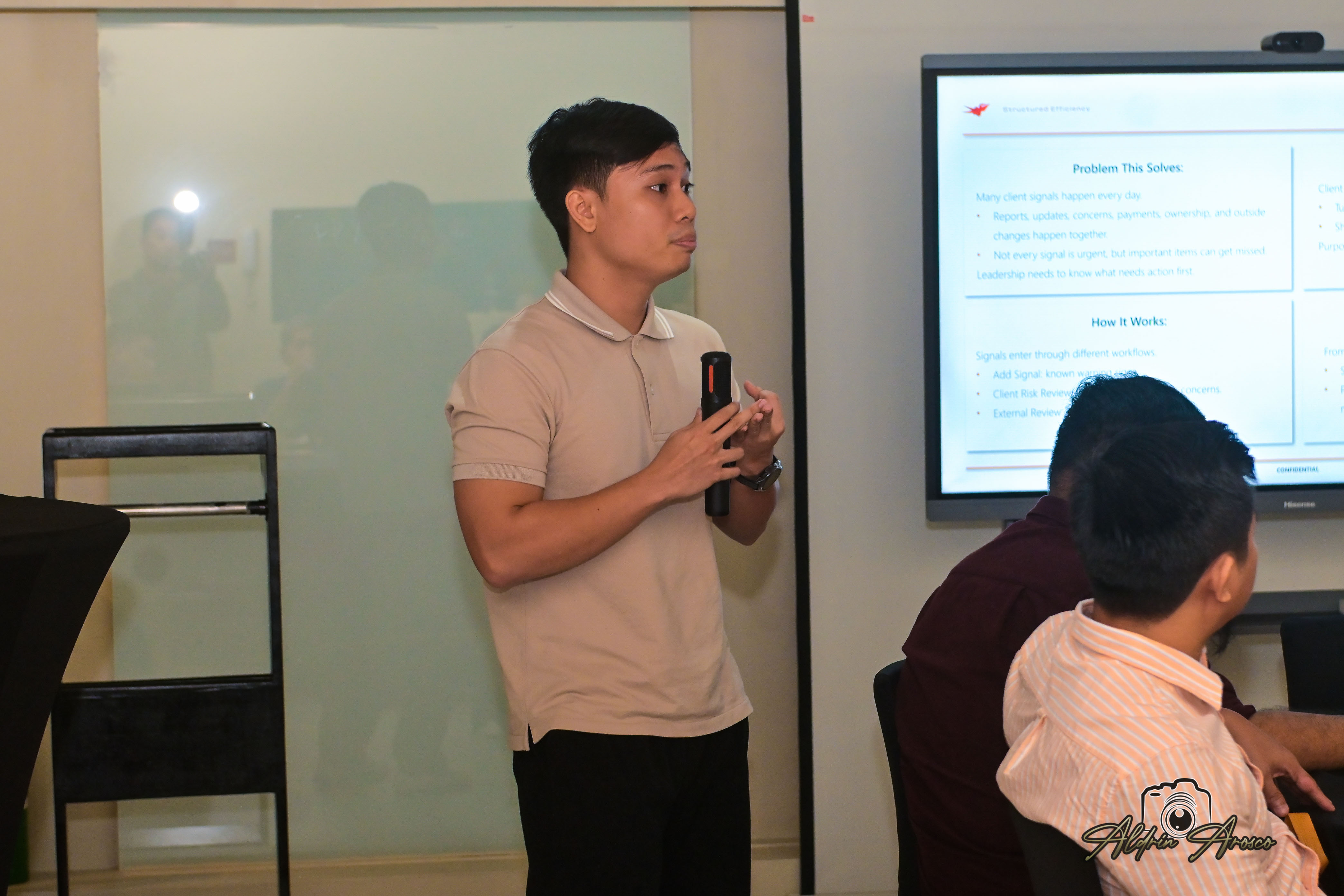
The gathering also gave Structure Efficiency members an opportunity to demonstrate how their learning had been translated into practical projects addressing real business and operational challenges.
Louie Espino presented Angel Eyes, a task visibility and accountability system designed to help growing businesses monitor open, completed, delayed, and unclear work. The platform improves operational visibility, strengthens accountability, and keeps work records organized for monitoring and payroll review.
Michael Canaveral introduced Client Fire Radar, a decision-support system that helps businesses organize client signals, distinguish risks from active issues, assign priority scores and ownership, and identify the appropriate next action before smaller concerns develop into larger client problems.
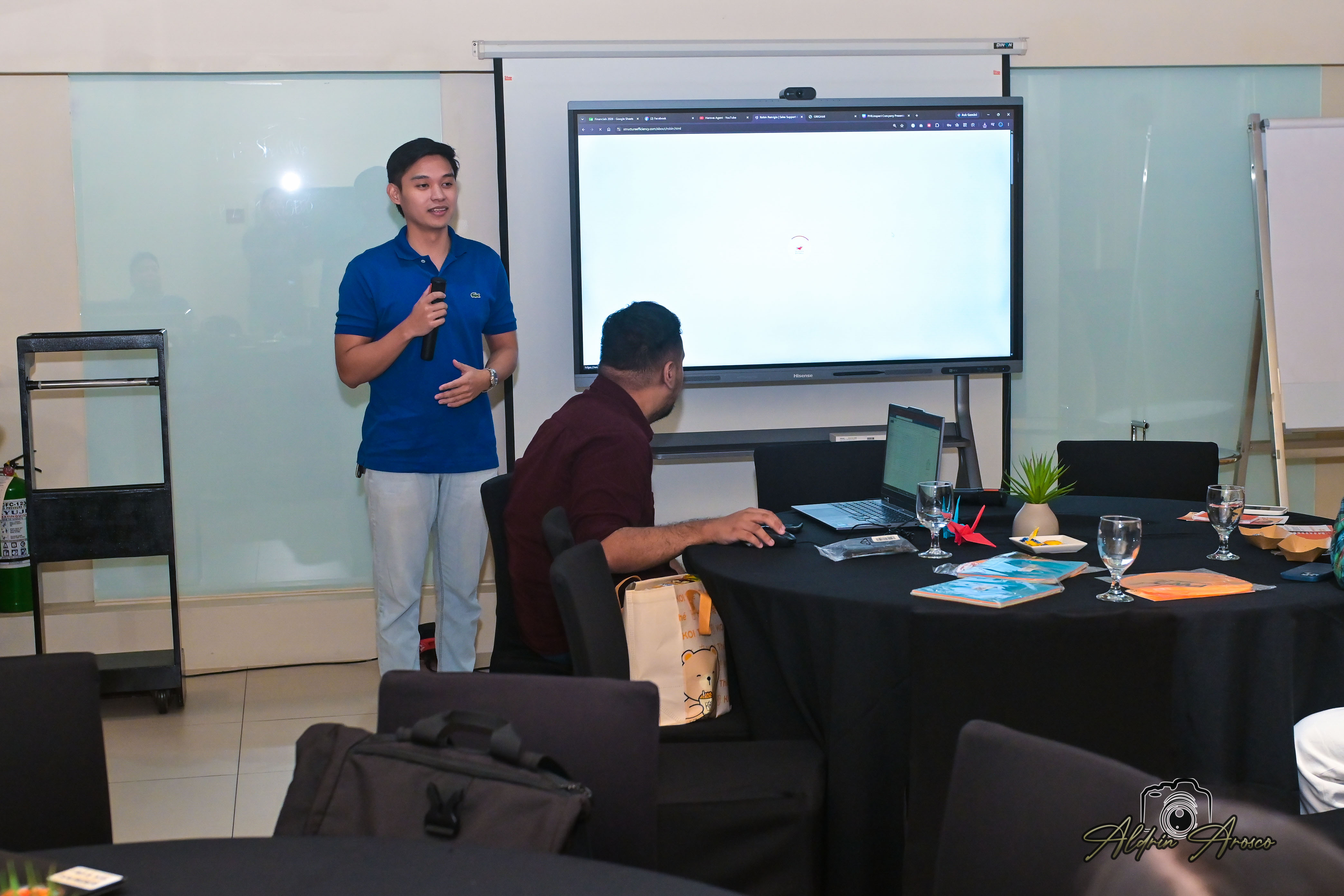
Robin Remigio demonstrated an Automated Sales Reporting System that uses Google Apps Script to retrieve sales information from Google Sheets and deliver scheduled daily, weekly, and quarterly reports directly to a designated Slack channel. The system reduces repetitive reporting work and gives leadership more consistent visibility into sales performance.
The program also featured Robert Laxa’s Hermes, demonstrated through an AI assistant called Cenia. The system can handle business tasks through chat, including creating branded content, recording expenses, supporting bookkeeping, and reading financial documents. By combining several functions in one expandable AI assistant, Hermes can help small teams reduce repetitive work and strengthen their back-office support.
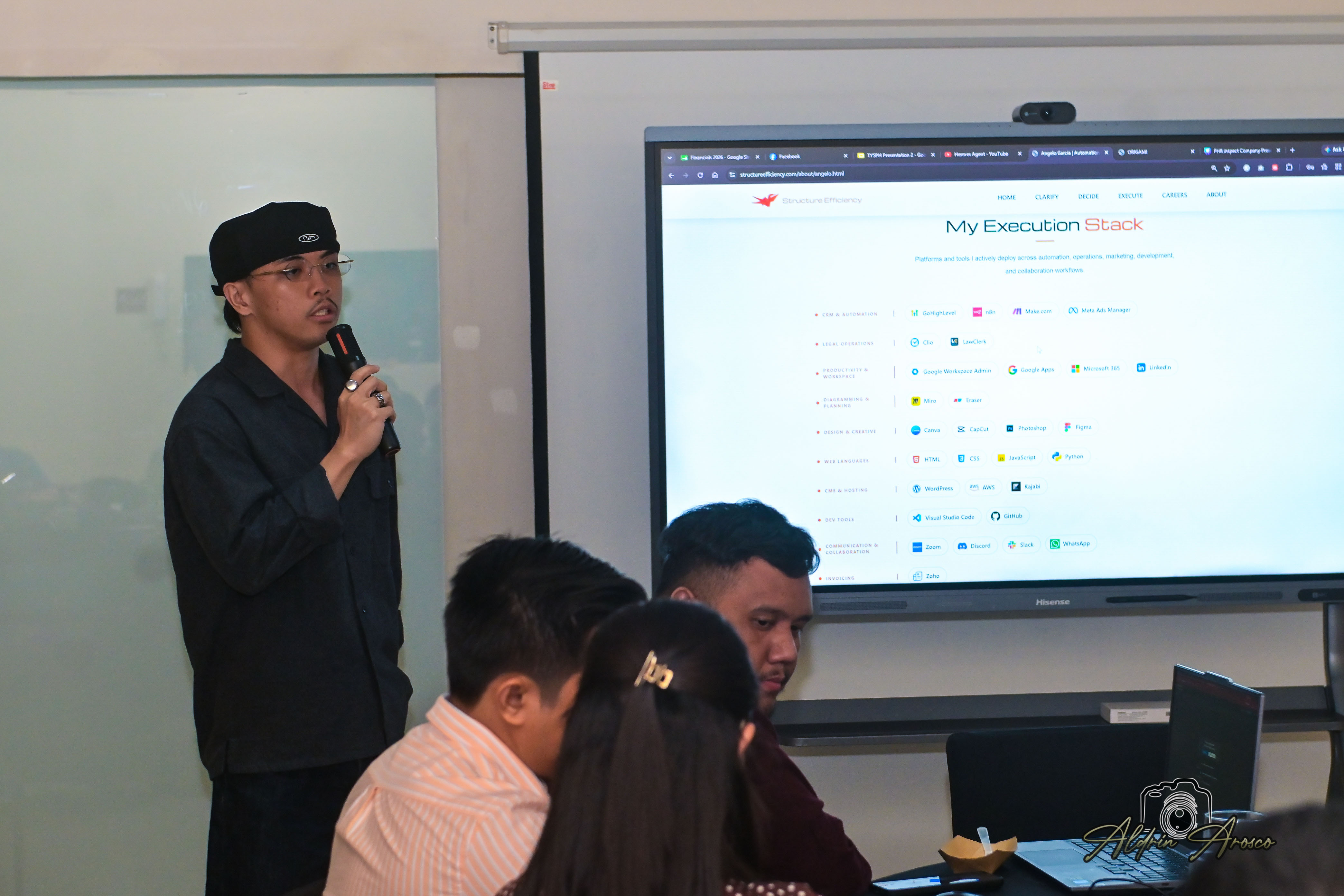
Angelo Garcia presented the Slack-Based Scheduling Intake Bot, designed to prevent scheduling requests from being missed across separate Slack conversations. Using a specific command, requests are automatically routed through Make.com to a centralized intake channel, while a confirmation is posted back to the original conversation. The system improves coordination, reduces manual follow-ups, and creates a more reliable scheduling process.
Together, the demonstrations reflected a shared principle behind the team’s development: learning becomes more meaningful when it is applied to an observable problem and transformed into a practical solution. For several members, the event was also their first time presenting their work before founders, CEOs, business owners, and experienced professionals, making each demonstration both a practical application of learning and a personal milestone.
Together, the demonstrations reflected a shared principle behind the team’s development: learning becomes more meaningful when it is applied to an observable problem and transformed into a practical solution.
Creating Space for Genuine Interaction
Professional connection continued beyond the presentations.
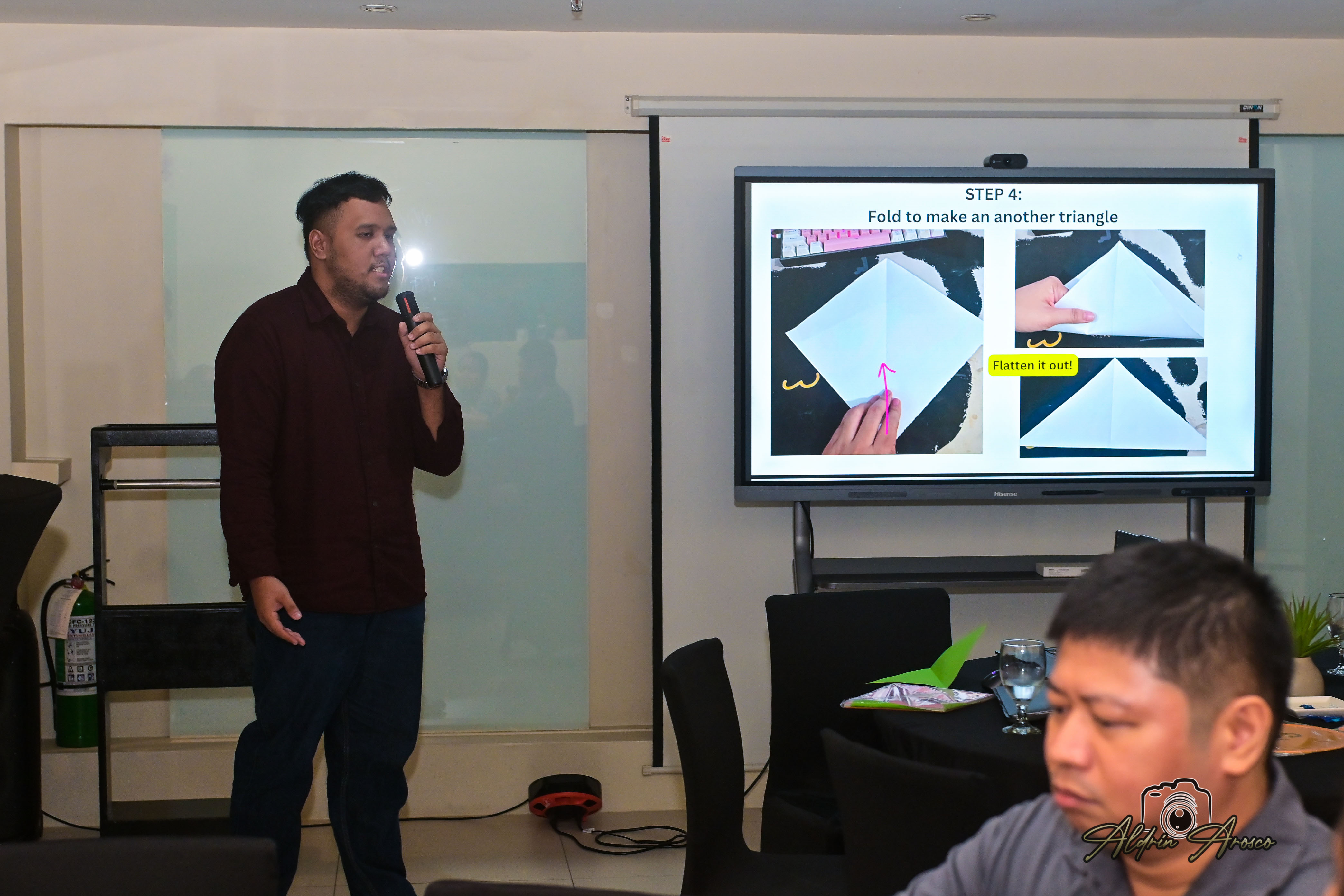
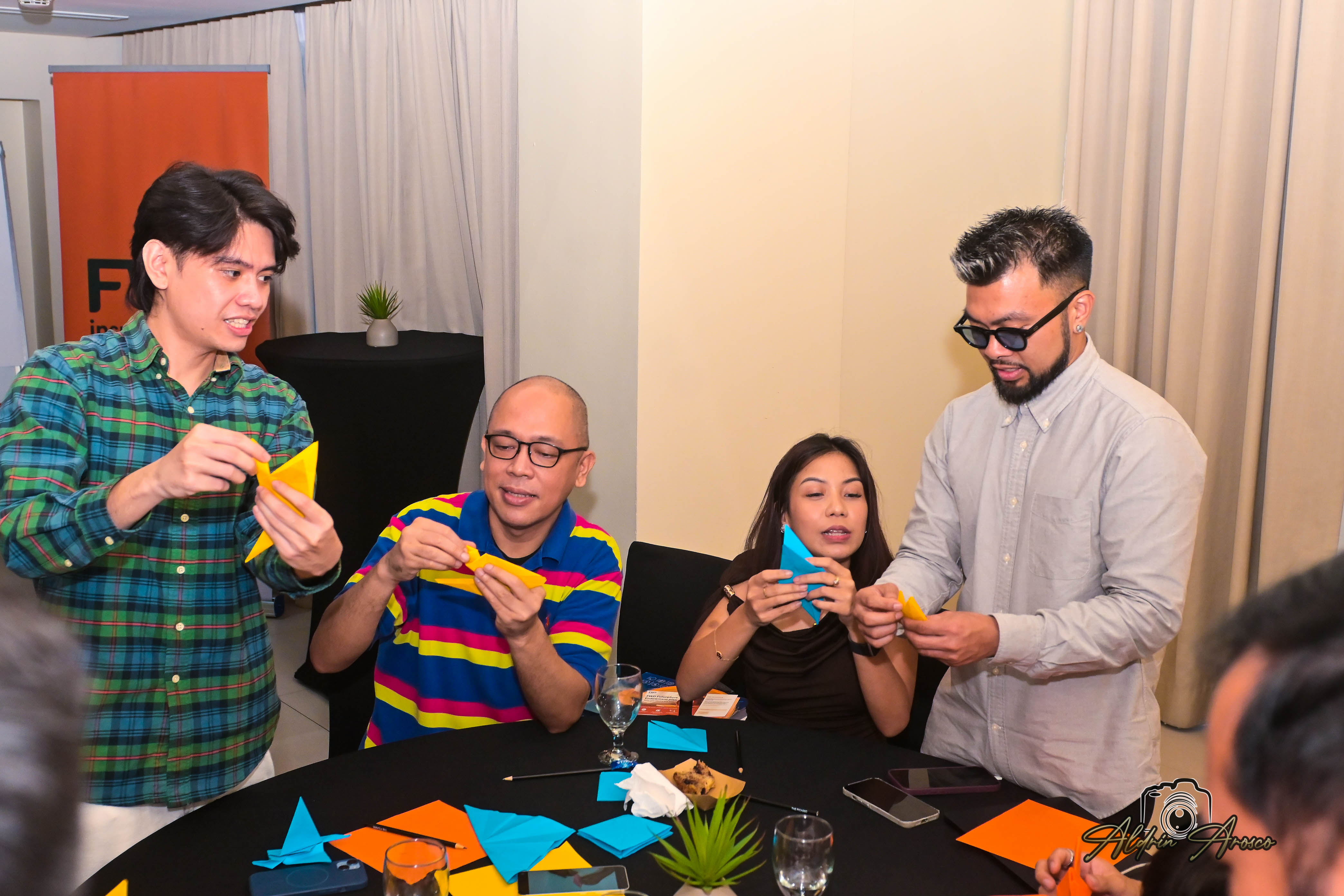
Sean, a member of the Structure Efficiency team, facilitated a bird origami activity involving everyone in attendance. The crane was selected because it represents the Structure Efficiency logo, giving the activity a direct connection to the organization.
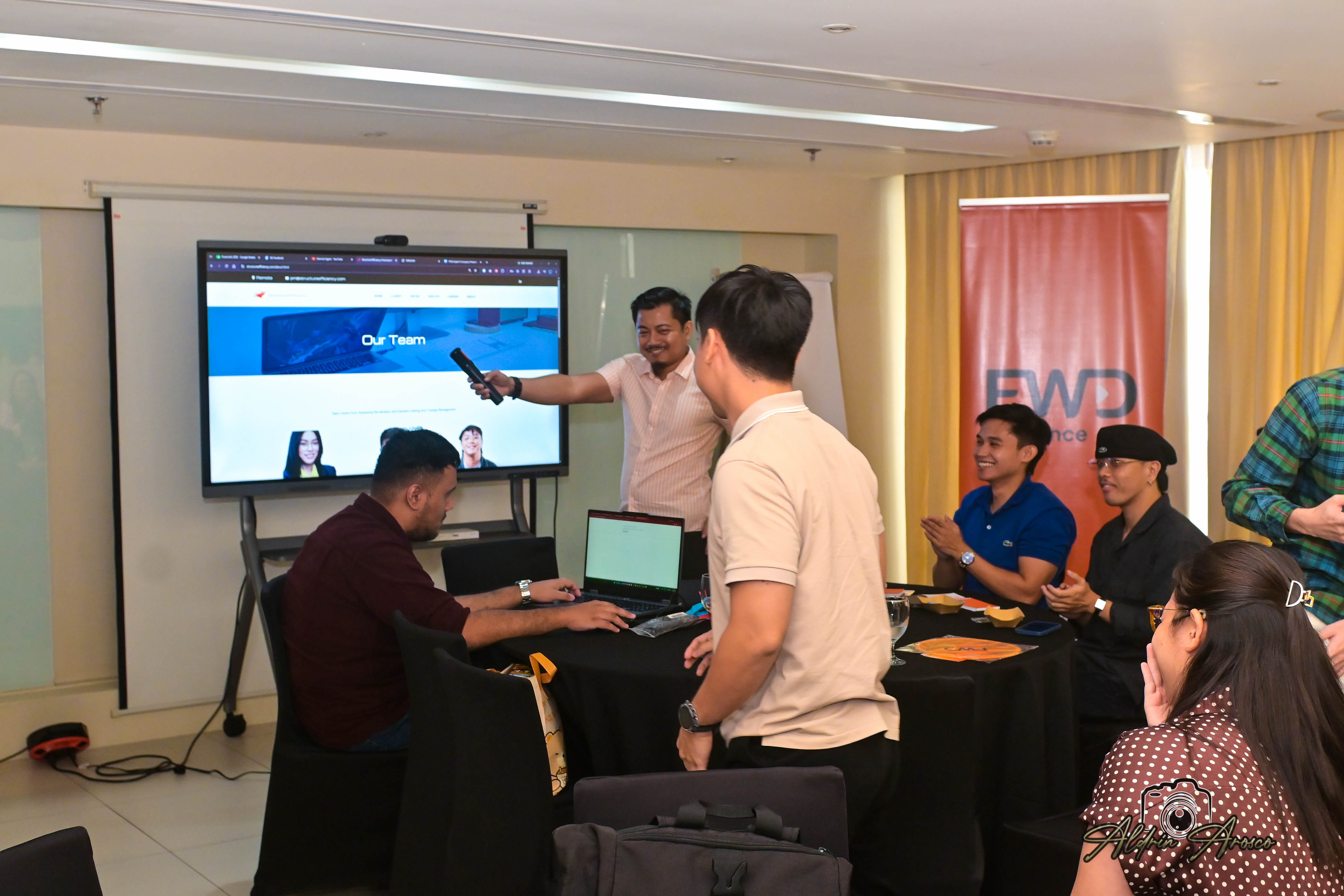
More importantly, the activity created a relaxed setting in which attendees could interact with people outside their usual conversations. Guests and team members worked beside one another, exchanged stories, and became more comfortable engaging beyond the formal presentation setting.
Dinner followed the activity, giving participants additional time to continue conversations, to network and socialize, ask follow-up questions, and learn more about each other’s businesses and professional experiences.
Celebrating Progress and Looking Ahead
The event celebrated more than completed presentations or demonstrated projects. It represented the progress of a team that had spent the past year learning, developing new capabilities, and preparing to apply them in practical settings.
The invited guests added significant value to that milestone. Their stories showed different ways of recognizing opportunities, building solutions, communicating expertise, and serving a specific market.
For the Structure Efficiency team, the gathering strengthened their ability to speak about their work, interact with professionals, and understand how ideas must be communicated to be relevant in a business environment.
The gathering marked the completion of one chapter, but it also established a foundation for future Structure Efficiency sessions. With another event being considered for August next year, the team looks forward to welcoming more professionals, sharing further developments, and creating new opportunities for practical learning and collaboration.